Interior painters in Auckland paint walls, ceilings, skirting boards, doors and window trims, and they protect your floors and furniture while they do it. Published local prices put a single bedroom at about $800 to $2,000 or more and the whole inside of a three-bedroom home at $5,000 to $15,000 or more. Ceilings, high stud, lots of trim and a big colour change all add time. This page covers the prices room by room, how long it takes, how much paint a room needs, and what to ask a painter before they start.
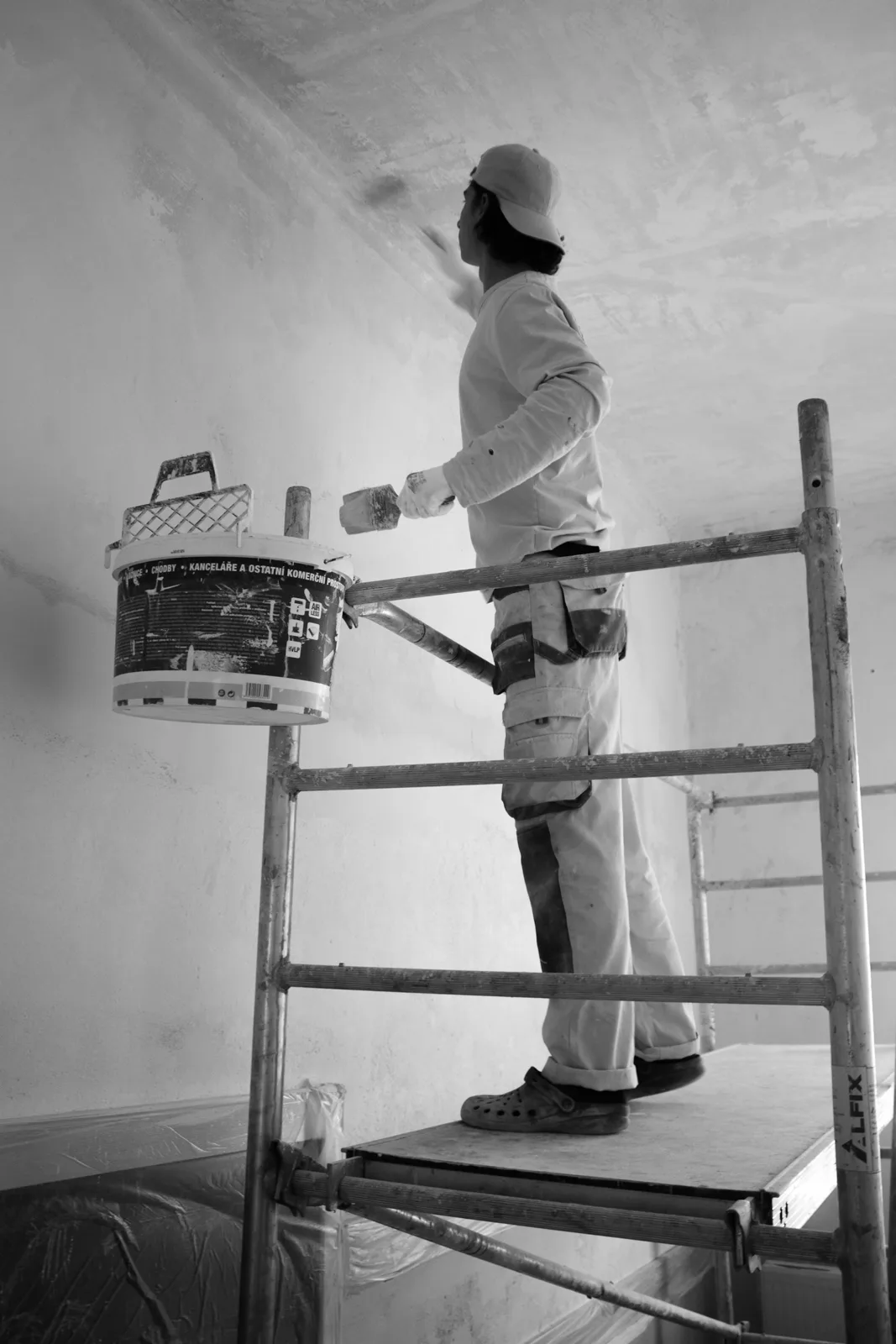
What does interior painting cost room by room?
Auckland painting businesses publish prices of about $800 to $2,000 or more for a single bedroom, $1,500 to $3,500 or more for a living room, and $500 to $1,500 or more per room for ceilings. The whole interior of a three-bedroom home is usually $5,000 to $15,000 or more. Per square metre of wall, published rates run at about $50 to $80 or more.
Published interior prices in Auckland
| Room or job | Typical published price | What moves it |
|---|---|---|
| Single bedroom, walls and trims | $800 to $2,000 or more | Size, number of doors and windows, colour change |
| Living room | $1,500 to $3,500 or more | High stud, open plan, feature walls |
| Ceiling, per room | $500 to $1,500 or more | Height, stains, water damage |
| Whole interior, three-bedroom home | $5,000 to $15,000 or more | Condition of walls, trims, how much moving |
| Walls, per square metre | $50 to $80 or more | Repairs, number of coats, product |
Prices are ranges from the published prices of several Auckland and New Zealand businesses. They usually exclude GST. Your painter quotes the real price after seeing the rooms.
How long does it take to paint the inside of a house?
Auckland painting businesses publish estimates of about five to ten working days for the full interior of a family home. One bedroom usually takes one to two days, because each coat needs to dry and the trims and ceiling are done separately. Walls with lots of patching take longer, as filler needs time to dry and be sanded before the paint goes on.
Some people stay elsewhere for a day or two when several rooms are painted at once, mainly for the bedrooms. Modern water-based interior paints have low odour, so most people stay at home for a room or two.
How much paint does a room need?
Work out the wall area, divide by the coverage on the tin, and multiply by the number of coats. That is the method Resene's paint calculator uses. Resene's own example is 42 square metres at 11 square metres per litre, two coats, which comes to about 7.6 litres. Your painter includes the paint in the quote, so you rarely need to buy it yourself.
- Measure each wall. Width times height, then add the walls together.
- Take off the big gaps. Large windows and doors come off the total.
- Divide by the coverage. The tin says how many square metres a litre covers.
- Multiply by two. Two coats is the standard for an even finish.
Which interior colours are popular for 2027?
Dulux New Zealand's Colour Forecast 2027 groups its colours into three palettes: Sensory, with botanical greens and warm neutrals; Play, with brighter and unexpected pairings; and Treasure, with berry, gold and deep brown tones. Dulux names its colours after New Zealand places, such as Muriwai, Puhoi and Silo Park.
Warm neutrals remain the easiest choice for most rooms because they suit any light and any furniture. Try a testpot on two walls of the room and look at it in the morning and evening before you decide. For the outside of the house, see modern colour trends for Auckland homes.
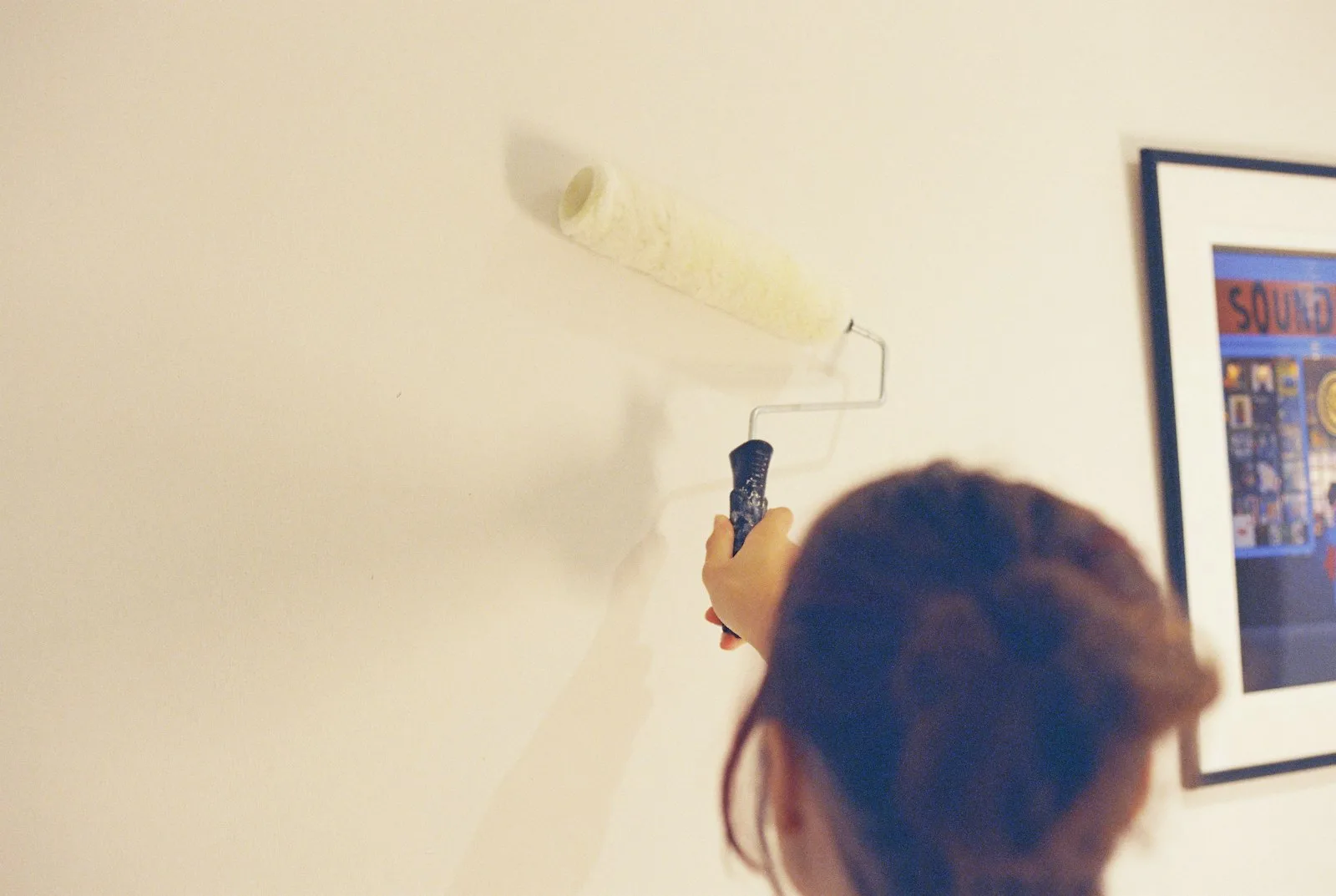
Walls are rolled in sections, keeping a wet edge, so the finish dries without lap marks.
Should the ceilings be painted at the same time?
Usually, yes. Ceilings go first so drips land on walls that are about to be painted. A fresh ceiling also makes newly painted walls look cleaner, because an old ceiling can look yellow next to them. Water stains need a stain-blocking primer first, or they show through the new paint.
FAQs
Do I need to move the furniture before the painter comes?
Move small items, ornaments, pictures and anything valuable. Most painters move the larger furniture to the middle of the room and cover it, and cover the floors with drop sheets. Ask what the quote includes, as some painters charge extra for moving heavy furniture or taking down curtains and fittings.
Can interior paint go over old oil-based paint?
Yes, with the right preparation. Water-based paint does not stick well to old gloss or oil-based enamel unless the surface is sanded and primed first, which is common on old doors and trims. A painter tests the old paint and uses a suitable primer, so the new coat does not peel.
Is there lead paint inside older Auckland houses?
It is possible on houses built before the 1980s. Health New Zealand advises presuming lead in paint on buildings from that time until a test shows otherwise. Old doors, windows, skirting and trims are the most likely places. Painters avoid dry sanding it, and use wet methods and careful clean-up instead.
Should I choose matt or low sheen for walls?
Low sheen is the usual choice for living areas, bedrooms and hallways because it is easier to wipe clean. Matt hides flaws in older walls and ceilings better. Kitchens and bathrooms need a paint made for moisture. Your painter names the product and finish for each room in the quote.